
CS-80 Comparison
| photo | price | summary | rating |
|---|---|---|---|
 | $18.81 | Condition is Brand New, YAMAHA CS-80 Synthesizer Owners Manual - STEEL WIRE BOUND - PROTECTIVE COVERS, FREE SHIPPING |  |
| photo | price | summary | rating |
|---|---|---|---|
 | $36.00 | Condition is Open box, Yamaha Synthesizer CS-80 Service Manual, Owner's Manual (Pick 1), shipping cost = $12.25 | 100.0% |
 | $38.00 | Top Pick! Condition is Open box, Yamaha CS-80 Synthesizer Adjustment Procedure, Instruction Manual + Service New, shipping cost = $12.00 | 100.0% |
 | $66.00 | Condition is Open box, Yamaha Polyphonic Synthesizer CS-80 Instruction Manual, shipping cost = $13.00 | 100.0% |
 | $66.00 | Condition is Open box, Yamaha Synthesizer CS-50/60, CS-80 Instruction Manual, shipping cost = $14.00 | 100.0% |
 | $66.00 | Condition is Open box, Yamaha Combo Synthesizer Model CS-80 CS80 Service Manual, shipping cost = $18.00 | 100.0% |
 | $69.00 | Condition is Open box, Yamaha CS-80 CS80 Combo Synthesizer Service Manual, shipping cost = $18.00 | 100.0% |
| photo | price | summary | rating |
|---|---|---|---|
 | $24.97 | Condition is Like New, Yamaha YST-CS80W Subwoofer Service Manual *Original*, shipping cost = $4.97 | 99.9% |
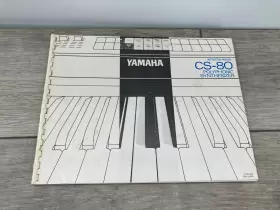
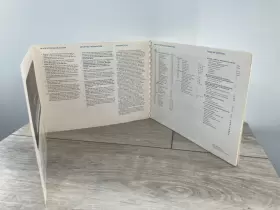
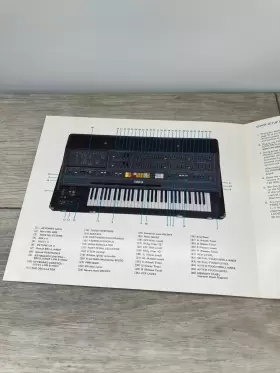
The Yamaha CS-80 Polyphonic Synthesizer Instruction Manual is a precious artifact for any vintage synthesizer enthusiast or musician. This 1970s illustrated guidebook offers a comprehensive and detailed walkthrough of one of the most iconic and influential polysynths in music history - the Yamaha CS-80.
The manual begins with an in-depth introduction to the CS-80, providing valuable background information on its design, features, and the era of its creation. It then delves into the heart of the synth, explaining each of its 8 voices, 6 oscillators, and 2 LFOs in meticulous detail.
The manual is highly illustrated, featuring numerous diagrams, schematics, and photographs to help visually guide the reader through the intricate workings of the CS-80. It covers topics such as connecting and setting up the synth, programming and playing sounds, and troubleshooting common issues.
The guide also includes a wealth of information on using the CS-80 in a live performance setting, including tips on how to best utilize its polyphonic capabilities and unique sound for creating rich, complex textures. Additionally, it provides insights into the history of analog synthesizers and the impact of the CS-80 on music and popular culture.
In essence, the Yamaha CS-80 Polyphonic Synthesizer Instruction Manual is not just a user guide, but a historical document and a treasure trove of knowledge for anyone interested in the history and technology of analog synthesizers. It's a must-have for any CS-80 owner, collector, or music historian.
Pros of buying a Yamaha CS-80 1970s synthesizer:1. Legendary sound: The CS-80 is known for its rich, warm, and lush sound, which is particularly well-suited for pad and string sounds. Its polyphonic architecture allows for complex chord progressions and harmonies.
2. Vintage appeal: The CS-80's retro design and analog technology give it a unique aesthetic that is highly sought after by collectors and musicians alike. It's a classic piece of music history that can add a touch of vintage charm to any studio or performance setup.
3. Versatility: The CS-80's modular architecture allows for a wide range of sounds and timbres, making it a versatile instrument that can be used in a variety of musical styles.
4. Rarity: Due to its high production cost and limited production run, the CS-80 is a rare and collectible instrument. Owning one can be a significant investment that can appreciate in value over time.
Cons of buying a Yamaha CS-80 1970s synthesizer:1. Maintenance and repair: As with any vintage instrument, the CS-80 requires regular maintenance and repair to keep it in good working order. Due to its complex design and analog technology, repairs can be costly and time-consuming.
2. Weight and size: The CS-80 is a large and heavy instrument, weighing around 100 kg (220 lbs). This can make it difficult to transport and set up in small studios or performance spaces.
3. Price: Due to its rarity and desirability, the CS-80 can be expensive to purchase. Prices can vary widely depending on the condition of the instrument and its history, but expect to pay thousands of dollars for a good example.
4. Limited features: Compared to modern synthesizers, the CS-80 has limited features and programming capabilities. It relies on manual patching and tweaking to create sounds, which can be time-consuming and require a certain level of expertise.
Conclusion:The Yamaha CS-80 is a legendary and highly sought-after synthesizer that offers a unique sound and vintage appeal. Its modular architecture and complex design make it a versatile instrument that can be used in a variety of musical styles. However, its high price, size, and maintenance requirements can make it a challenging investment for some musicians.
If you are a serious collector or musician who values the unique sound and historical significance of the CS-80, then it may be worth considering as an addition to your collection. However, if you are looking for a modern synthesizer with advanced features and programming capabilities, then you may want to consider other options.
Recommendation:Before making a purchase, it's essential to do your research and seek out a reputable dealer or seller. Make sure to inspect the instrument thoroughly and test it to ensure that it's in good working order. Consider the cost of maintenance and repairs, and think about whether the unique sound and vintage appeal of the CS-80 is worth the investment for you. Ultimately, the decision to buy a CS-80 should be based on your musical goals, budget, and personal preferences.
Details:
With some wear / discoloration.
specifications vintamanual:
- brand: Yamaha
- mpn: Cs-80
- part type: Manual
returns vintamanual:
- time: 30 days
- policy: returns accepted
- method: money back
- paid by: seller
shipping vintamanual:
- transit: 5-9 days
- service: usps ground advantage, usps priority mail, ups ground
- type: calculated
- class: standard, expedited
- carrier: usps, ups
general vintamanual:
- category: Electronics > Audio Video > Parts Accessories > Vintage Manuals
seller vintamanual:
- rating: 99.9%
- city: green bay, wisconsin
- # reviews: 5516
offer vintamanual:
- in stock #: 5
- best offers: true
- prices: $18.81–$69.00
- item condition:
- Brand New
- Open box
- Like New
- availability: in stock
- options: ship-to-home
- started: may 8, 2024
- sold #: 29
payments vintamanual:
- credit card: visa
- wallet: paypal
Similar Items:
- PSS-450: MANUAL KEYBOARD, Yamaha
- TYROS-5: KEYBOARD MANUAL, Yamaha
- PSR-D1: MANUAL, Yamaha
- WH96240: MANUAL KEYBOARD, Yamaha
- V816670-1: DVD CHANGER MANUAL, Yamaha
- PSS-470: KEYBOARD BOOK, Yamaha
- YRM-103: PAPER COVER MANUAL, Yamaha
- 011110: MANUAL, Yamaha
- CDC-755: DISC PLAYER MANUAL, Yamaha
- NS-F150-NS-F140: SPEAKER MANUAL, Yamaha
- 011046: MANUAL, Yamaha